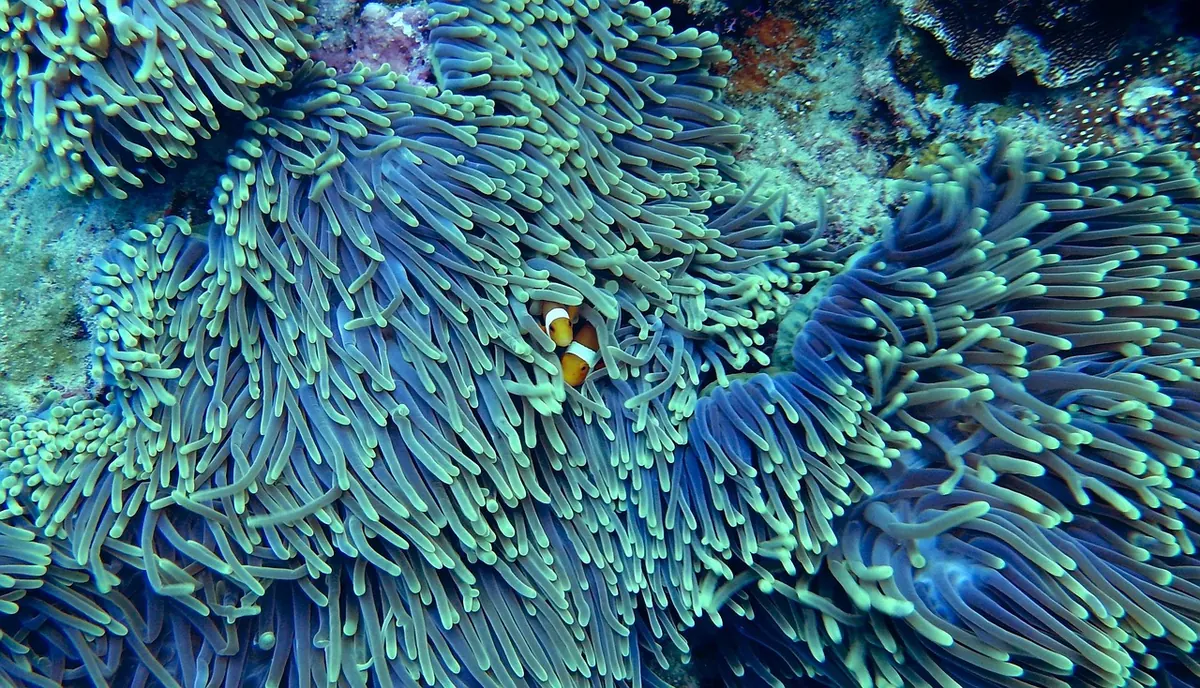
Soft corals grow. That is the point of them, and eventually it is also the problem. A toadstool leather that looked generous on a frag plug two years ago now shades half your rockwork, and the Kenya tree in the corner is dropping branches onto your zoanthids. Fragging — cutting a coral into smaller pieces so each grows into a new colony — is the standard answer, and for most soft corals it is genuinely straightforward. Done carefully it is one of the most satisfying jobs in the hobby. Done in a hurry, with a blunt blade and bare hands, it is a mess and a risk. Here is how to do it properly.
Before You Cut Anything
The best fragging sessions look boring from the outside. Everything is laid out before the first cut, because once you have a slimy leather coral in one hand you cannot go hunting for glue.
Fill a jug with tank water for rinsing. Line up your plugs, your glue and a frag rack. Decide where each piece is going, even roughly. If you are planning to trade frags, have bags or containers ready rather than leaving them in a bowl on the worktop for an hour.
Pick your moment. Fragging on water-change day is sensible: you have fresh saltwater mixed, you are already in the tank, and a small water change afterwards clears the slime. Do not frag a coral that arrived last week, has been moved recently, or is showing signs of stress such as a closed polyp count or a waxy coating. Stressed corals heal badly and sometimes melt outright.
Leave the parent colony enough tissue. As a working rule, take no more than about a third of a colony in one session, and never cut into the only healthy growing edge of a small specimen.
Your Fragging Kit
- Sharp cutting tools: stainless steel scissors for soft tissue, bone cutters for thicker stalks, and a fresh scalpel blade for precise work on mats.
- A cutting surface: a ceramic tile or a plastic chopping board. Avoid wood, which soaks up slime and is impossible to clean properly.
- Gloves: nitrile at minimum, and thicker reusable gloves for zoanthids.
- Eye protection. Non-negotiable when palys or zoas are involved.
- Frag plugs or small pieces of rubble. Soak new plugs in RO water for a day or two beforehand, then let them dry.
- Cyanoacrylate gel glue. The thick gel, not the runny liquid.
- Rubber bands and cocktail sticks for corals that refuse to stick.
- A shallow tray and a jug of tank water for rinsing and holding pieces.
- Paper towels and an old towel for the floor. You will drip.
Safety: Gloves, Eyes and Ventilation
Most soft corals are harmless to handle, but the zoanthid family deserves respect. Some zoanthids and palythoas contain palytoxin, which can cause serious illness if it reaches a cut, your eyes or your mouth, or if it becomes airborne. Nobody should ever boil, scrub, pressure-wash or dry out live rock from a tank that houses them.
Put gloves and eye protection on before you touch them, work in a ventilated room rather than a sealed cupboard of a fish room, and keep your hands away from your face. Wash thoroughly afterwards. Cover any cuts on your hands with a plaster before you start. If you feel unwell after handling them — dizziness, flu-like symptoms, difficulty breathing — seek medical advice promptly and mention what you were working with. This is general guidance rather than medical advice.
Gloves protect the coral too. Skin oils and soap residue are not kind to delicate tissue, and a clean hand is a better tool than a bare one. Keep a dedicated set of fragging tools and never borrow the kitchen scissors.
Cutting Techniques for Common Soft Corals
Leathers and toadstools
Sarcophyton, Lobophytum and Sinularia all frag well. For a toadstool, cut a wedge or a ring out of the cap with scissors, taking a slice that includes some of the base tissue. A whole cut-off cap will usually regrow a new stalk, which is useful if you want two colonies rather than ten.
These corals slime heavily, and glue often fails against that slick surface. Instead, pierce the frag with a cocktail stick and band it lightly to a piece of rubble, or simply place it in a shallow container of tank water with low flow and let it attach on its own over a week or two. A band should hold, not crush.
Mushrooms
Discosoma and Rhodactis are the easiest of the lot. Cut the cap like a pizza, straight through the mouth, and each wedge containing part of the mouth will regenerate into a new mushroom. Odd fragments without a mouth often survive too. They slime as badly as leathers, so use the rubble-in-a-tray method rather than glue.
Zoanthids and palys
Cut the mat with a scalpel or sharp scissors, gloves and eye protection on. Take sections of several polyps rather than singles — they settle and grow faster. These glue well, and a glued frag on a plug is usually open within a day or two.
Xenia and green star polyps
Both can be cut with scissors. Xenia is notoriously difficult to glue because it pumps and slimes; a rubber band over a piece of rubble works better. Green star polyps can be peeled or sliced off the rock as a mat and glued flat.
Kenya trees and similar
Capnella, Nephthea and their relatives often self-frag by dropping branches. Snip a branch cleanly with scissors rather than tearing it, then glue or band it as above. A clean cut heals faster than a ragged one.
Aftercare: The First Two Weeks
Rinse each frag in the jug of tank water before it goes back into the system, and pour that water away rather than back into the tank. Then place frags somewhere sensible: low to medium flow and moderate light, on the sand or a frag rack, away from aggressive neighbours and away from the direct blast of a powerhead.
Run fresh carbon for a few days if you have cut a lot of leathers. Soft corals release terpenes when damaged, and carbon takes the edge off.
Watch for trouble. A frag that turns white, develops a fuzzy patch or starts dissolving is probably infected — remove it, dip it if you have a coral dip, and give it more flow. Expect pieces to look sulky for a few days; most open within a week and are properly attached within two.
Keep the parent colony in slightly reduced flow for a day or two while the cut surface seals. A gentle current helps it heal; a full blast does not.
A Simple Routine That Works
Start with one coral. Mushrooms first, then a leather, then zoanthids once you are comfortable with gloves and eye protection. Cut on water-change day, keep the session short, and clean your tools and board afterwards with hot water and a wipe of alcohol — not soap, which leaves residue that harms tank life.
Label your frags if you keep more than a couple of strains, and give them away rather than cramming them into the same tank. Circulation, light and space run out long before enthusiasm does.
Photo: Pexels / Pixabay