UK Coastal Marine Life: A Seasonal Guide to Rockpooling
The best rockpooling in Britain is not about finding the biggest crab. It is about timing. Return to the same pool in February and again in August and you are looking at two different places, even though the rocks have not moved an inch. What follows is how the year unfolds around the UK coast, and how to make the most of whichever month you have.
The Rhythm of the Year
Two things shape everything you see. The tide decides how much of the shore you get to see at all; the season decides what is living there when you look.
Spring tides, the biggest range between high and low water, arrive within a day or two of a new or full moon. Neap tides about a week later barely uncover the middle shore. If you only ever go rockpooling on a Saturday morning, you will miss the lowest tides of most months without realising it.
Water temperature lags behind the air. Inshore seas around Britain are coldest in late February and March, and warmest in late August and September, when the south-west can push past 17°C. That lag decides when fish move into the shallows, when anemones spawn and when the weed grows fastest.
Wind matters too. A strong onshore blow can push water against the coast and turn a predicted low tide into a disappointing one. A gentle offshore breeze can do the opposite, exposing ledges that are usually underwater. Check the forecast, not just the tide table.
Reading the Tide Before You Go
A low tide is not automatically a good low tide. You want a low water height that is below average for your stretch of coast, ideally below 0.5 metres on a chart datum, and you want it to fall in daylight. The best windows are often the few days around a spring tide, especially in spring and autumn when the sun is not too high and the water is not yet too cold.
- Look at the height, not just the time. A 0.2 m low will uncover more than a 1.2 m low.
- Arrive early. The best pools are exposed for an hour either side of low water, then covered again.
- Go on a falling tide first. It is safer and gives you more time before the water returns.
- Pick calm weather. Wind can cancel out a good tide, or make the rocks slippery and dangerous.
Spring: Anemones, Egg Cases and First Growth
Spring is the season of waking up. The water is still cold, often 7–9°C around the coasts, but longer days and stronger sunlight set off the first plankton bloom. That bloom feeds everything else. Barnacles begin to feed more actively, mussels open their shells, and the first tiny fish fry appear in the shallows.
This is one of the best times for egg cases. Dogfish, rays and skates lay their egg cases among the weed and under ledges; these are the mermaid's purses and skate purses that wash up or snag on rocks. Whelks deposit their familiar clusters of papery egg capsules, often attached to rocks or crab pots. If you find an egg case with a live embryo, put it back exactly where it was, ideally in a shaded pool with good water flow.
Anemones become more visible as they open to feed. Beadlet anemones, usually dark red or green, may still be contracted at low tide, looking like shiny blobs of jam. Strawberry anemones and snakelocks anemones appear in greater numbers on western and south-western shores. In calm, clear pools, you can watch them wave their tentacles, waiting for small crustaceans to blunder into them.
Spring Signs to Look For
- Papery whelk egg cases, often in bunches.
- Mermaid's purses, dark and rectangular or long and curly.
- Young shore crabs, often no bigger than a pea.
- New growth on kelp and wrack, bright and slippery.
- Anemones opening in sheltered pools as the tide returns.
Summer: The Shallow-Water Nursery
Summer is the busiest season underwater. By July and August, inshore water has warmed up, sometimes to 15–18°C in the south and west. Plankton is abundant, seaweed growth is at its peak, and the rockpools become nurseries. Juvenile pollock, corkwing wrasse, gobies, blennies and pipefish shelter in the weed. Brittle stars and sea squirts appear under stones. Hermit crabs fight over shells. If you are patient, you may see a common prawn flick backwards into the shadows or a velvet swimming crab with its red eyes and blue-tipped claws.
Summer also brings people. Popular rockpooling beaches can be picked over, and careless turning of stones can crush the animals underneath. The rule is simple: turn a stone towards you, look, then put it back the same way up. Never kick a rock into a pool. Leave limpets where they are; they have a home scar on the rock and cannot simply find another.
“A rockpool is not a collection of things. It is a small, temporary city. The tide is the door, and you are only a visitor.”
Summer Rockpooling Tips
- Go early in the morning. The light is better and the shore is quieter.
- Wear shoes with grip. Wet seaweed is more slippery than it looks.
- Use a hand lens and a small torch. Much of the life is under ledges and in crevices.
- Keep creatures in water only as long as you need to look. Use a clear plastic tub, not your hands.
- Watch children near the water. A calm pool can sit beside a deep channel.
Autumn: Storms, Spatfall and Returning Fish
Autumn is the season of change. The sea is still warm from summer, but the first gales arrive and stir up the shore. Storms tear kelp from the rocks and roll stones in the shallows. This can be destructive, but it also creates opportunity: new surfaces are exposed for colonisation, and the strandline fills with egg cases, cuttlefish bones, whelk shells and sea beans.
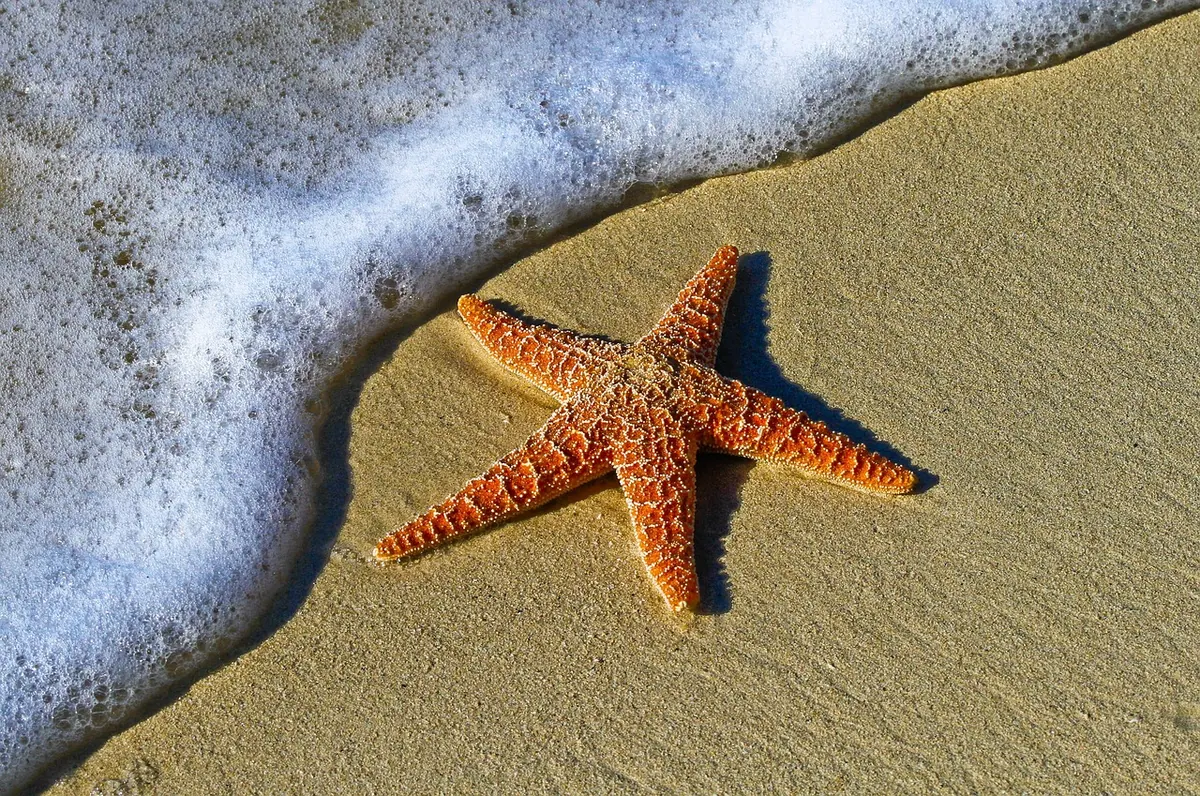
In the pools, autumn is a time of spatfall. Barnacle larvae and mussel spat settle in huge numbers, forming tiny white or blue-black crusts on rocks. Adult fish move back into shallower water after spawning, and young-of-the-year fish feed heavily before winter. You may find sea urchins in deeper pools on western coasts, starfish clamped to rock, and the first returning dogfish and rays in deeper gullies.
Autumn Finds
- Cuttlefish bones, white and chalky, often washed up after storms.
- Mermaid's purses in greater numbers, especially after gales.
- New barnacle and mussel spat on bare rock.
- Sea urchins and starfish in low, kelp-filled pools.
- Colourful sea slugs on the seaweed, especially on the west coast.
Winter: Clear Water, Cold Hands, Hidden Colour
Winter rockpooling is not for everyone, but it can be the most rewarding. The water is cold, often 6–8°C, and the sea is frequently clearer because plankton levels are low. With fewer visitors and less disturbance, the shore feels quieter. Many animals are inactive, but the ones that remain are often easier to see against bare rock and thinning weed.
This is the season for sponges, bryozoans, hydroids and other attached life that can be overlooked in summer. If you look closely at the undersides of ledges, you may find breadcrumb sponges, orange bryozoan colonies, and delicate hydroids like tiny feathers. Chitons clamp onto rocks, top shells graze algae, and dog whelks drill into mussels. On a really low winter tide, you might find a clingfish under a stone or a butterfish curled in the weed.
Winter Specialities
- Breadcrumb sponge and other encrusting sponges.
- Bryozoan colonies, often orange or white and lacy.
- Hydroids, looking like fine threads or small feathers.
- Chitons, top shells and other slow grazers.
- Clingfish and butterfish in very low pools.
Extra Section: How to Time a Trip
If you want one good rockpooling trip rather than many average ones, plan around a low spring tide in a month that suits your interest. Spring for egg cases and first growth. Summer for variety and warm-water visitors. Autumn for storms and strandline finds. Winter for clear water and attached life.
- Find your tide table. Use a local harbour or beach prediction, not a regional one.
- Choose a low tide below 0.5 m. Lower is better, but only if the weather is safe.
- Check the wind. Offshore winds help; onshore winds can push the water back up.
- Arrive an hour before low water. That gives you time to explore as the tide falls.
- Leave before the tide turns. Do not get cut off by a channel or a rising sea.
- Go with someone. Tell someone where you are and when you will be back.
Extra Section: Rockpooling with Care
Rockpooling can be a low-impact way to meet marine life, but only if you follow a few rules. The shore is a fragile place, and many of the animals you find are slow-growing and easily damaged.
- Turn stones gently and put them back exactly as they were.
- Do not chase or handle fish. They lose their protective slime and can die from stress.
- Keep creatures in water. If you use a tub, shade it and return everything within a few minutes.
- Leave shells, egg cases and seaweed where you find them. They are homes and food.
- Take photos, not souvenirs. A picture lasts longer and harms nothing.
- Respect protected areas. Some shores are marine protected areas or nature reserves with extra rules.
The Point of Returning
The joy of rockpooling is not a checklist. It is the return visit
Photo: Pexels / Pixabay